
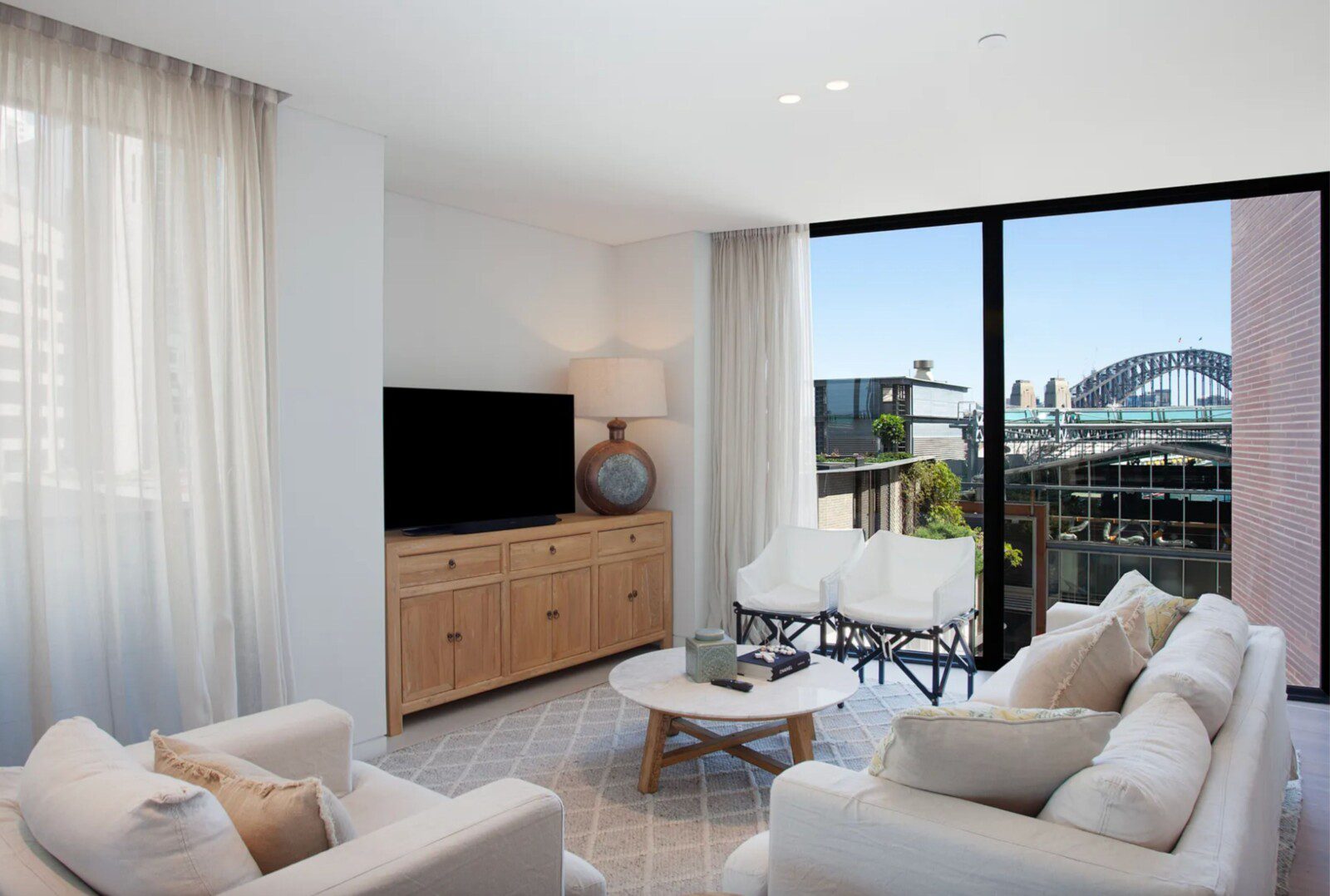

The idea of owning a second home has always carried a sense of aspiration – a coastal retreat, a countryside escape, a place reserved for long weekends and holidays. But in Australia, that definition no longer fits reality. Rising living costs, flexible work, and housing pressure have transformed second homes into multi-functional, income-aware lifestyle assets. This article explores how second homes are being redefined and why modern luxury now means flexibility, performance, and purpose.
What Does a Second Home Mean?
A second home is traditionally defined as a property owned in addition to a primary residence, often used as a holiday home, weekend escape, or future retirement property. In Australia, however, second homes are no longer passive or rarely occupied spaces.
Instead, second homes are increasingly integrated into everyday life, supporting part-time living, remote work, extended family stays, or executive leasing. Housing shortages, demographic shifts, and flexible employment models have pushed owners to rethink how second homes function. Today, a second home is expected to deliver lifestyle value and financial resilience, blurring the line between personal use and strategic investment.
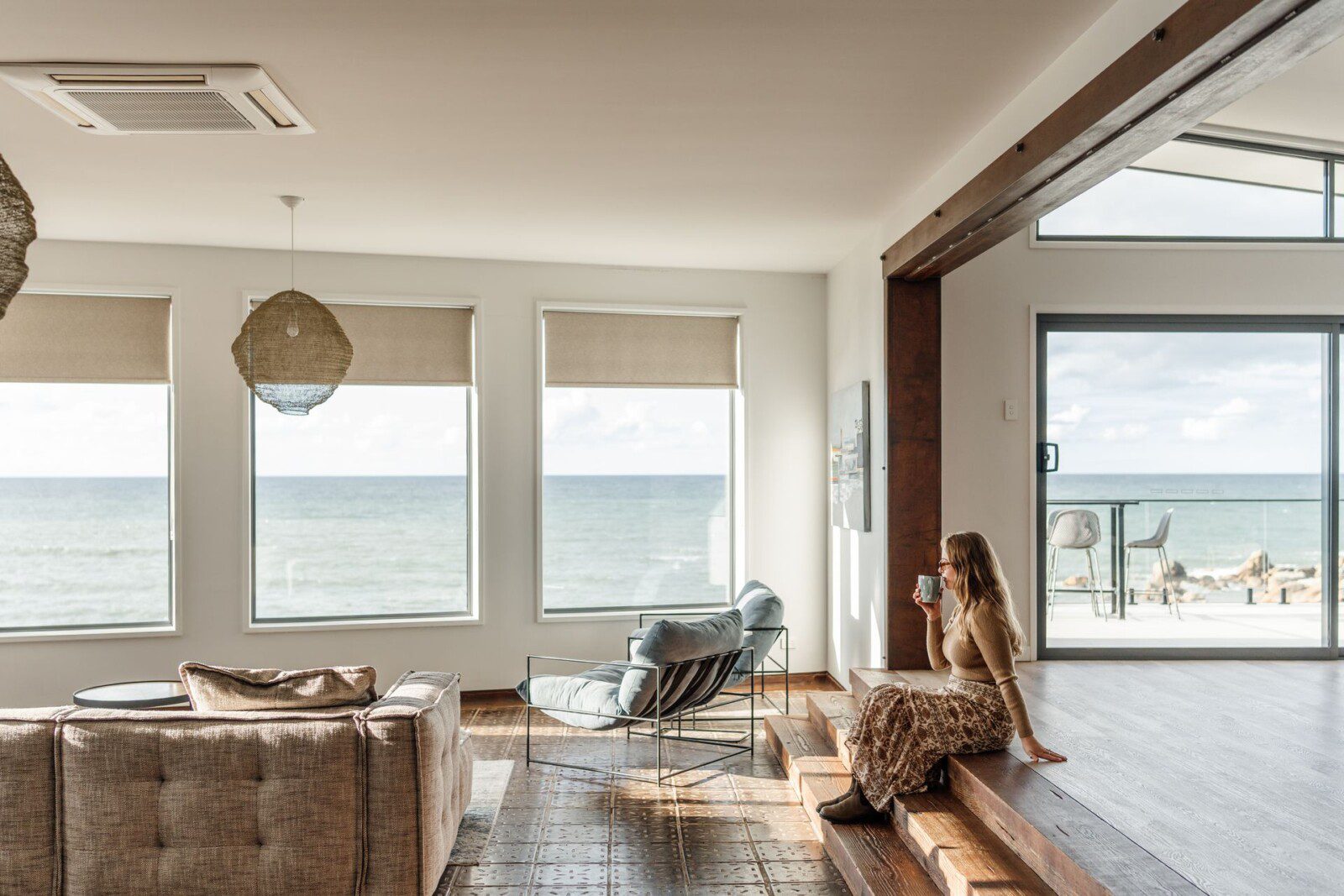
From Vacation Retreats to “Everywhere Homes”
Second homes were once justified purely by lifestyle. Now, financial performance plays an equally important role. Many owners are choosing to offset holding costs – or even generate surplus income – by leasing their second home when it’s not in personal use.
Cost-of-living pressures, higher interest rates, and larger deposit requirements have accelerated this shift. Rather than leaving properties vacant, owners are optimising them as income-generating second homes, often through executive or medium-term leasing.
This evolution has given rise to productive luxury – homes that are beautifully designed, professionally maintained, and capable of delivering consistent returns. The modern second home is no longer tied to one purpose. It’s an “everywhere home”: adaptable, usable, and financially intelligent.
How Owners Earn Income From Second Homes
There are two broad approaches to generating income from a second home: long-term optimisation and short-term strategies.
Long-Term Performance
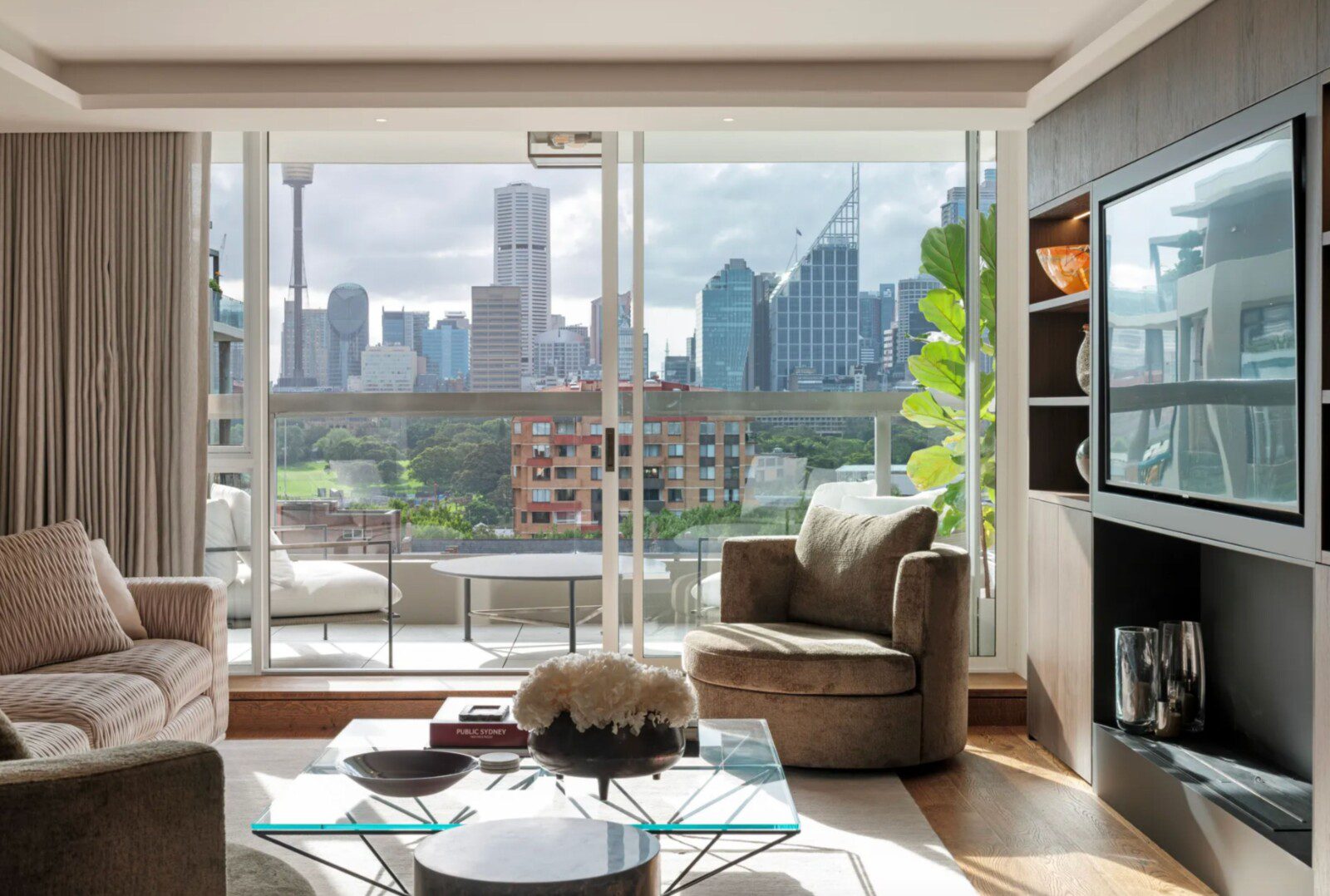
For many Australians, the most sustainable approach involves leasing the property while it continues to appreciate in value. Executive leasing, corporate tenancies, and premium long-stay rentals offer reliable income, lower wear and tear, and reduced vacancy compared to short-term holiday letting.
This model aligns well with owners seeking stability, predictable cash flow, and hassle-free ownership – particularly when paired with professional property management.
Short-Term & Seasonal Use
Some owners pursue short-term strategies such as renovations or seasonal holiday letting. While potentially lucrative, these approaches carry higher risk and depend heavily on timing, location, and ongoing involvement.
Seasonal demand can fluctuate, especially in lifestyle destinations. As a result, many owners now prefer hybrid models that balance personal use with executive-standard leasing, reducing exposure to off-season volatility.
Policy, Planning & Australia’s Shift Toward Smarter Density
Australia’s planning environment is also reshaping second home ownership. Governments are increasingly encouraging dual-occupancy properties and secondary dwellings as part of broader housing supply solutions.
Rather than promoting urban sprawl, planning policies now favour better land use, increased density within existing suburbs, and flexible living arrangements. In this context, second homes are no longer seen as underutilised assets – they are becoming active contributors to housing availability.
This policy shift reinforces the idea that well-managed second homes can serve both private owners and broader community needs, without compromising quality or liveability.
Where Does L’Abode Accommodation Fit in the New Era of Second Homes?
As second homes become more complex, ownership without professional support becomes increasingly challenging. L’Abode Accommodation bridges this gap by helping owners transform high-quality residences into premium executive rentals – without operational stress.
As a leader in executive leasing Australia, L’Abode Accommodation focuses on maximising corporate leasing ROI while protecting long-term property value. Rather than short-term holiday turnover, L’Abode Accommodation in placing vetted corporate tenants, senior professionals, and relocation clients into executive-standard homes.
A strong performance review process – combining market benchmarks, property data, and forward-looking forecasting – allows owners to enter each year with clarity, control, and realistic revenue expectations.
L’Abode Accommodation’s End-to-End Solutions
- Full property management for second homes
- Executive-standard upgrades and furnishing
- Corporate tenant screening and placement
- Listing optimisation, including professional photography and SEO
- Cleaning, inspections, and guest relations
Owner Benefits
- Higher returns from premium, long-stay tenants
- Reduced vacancy and turnover
- Better-maintained properties over time
- A genuinely hassle-free ownership experience
By managing upgrades, maintenance, and leasing strategy, L’Abode Accommodation allows owners to enjoy the benefits of modern second home living – without sacrificing time or peace of mind.
Second homes are part of a property investment strategy – designed to adapt over time. Whether used for multigenerational living, remote work, or executive leasing, the most successful second homes are those that are professionally positioned early. Luxury is no longer defined by exclusivity alone – it’s defined by flexibility, performance, and longevity.
List your home with L’Abode Accommodation and turn hands-on hosting into hands-off growth.
FAQs
1. How are second homes being redefined in Australia?
Second homes are no longer just holiday properties. They are increasingly designed as multi-functional living assets that support everyday use, remote work, multigenerational living, and income generation throughout the year.
2. What is the difference between a second home and an investment property?
A second home is typically used part-time for personal living and may be rented out when not in use. An investment property, on the other hand, is purchased primarily to generate income and is usually leased full-time.
3. How can owners earn income from a second home without short-term holiday letting?
Many owners choose executive or medium-term leasing to corporate and professional tenants. This approach provides more stable income, fewer vacancies, and less wear and tear than short-term holiday rentals.
4. Are second homes still considered luxury assets in today’s market?
Yes, but luxury has evolved. Modern luxury second homes are defined by flexibility, usability, and long-term performance, rather than location or aesthetics alone.
5. How does professional property management improve second home returns?
Professional management helps attract premium tenants, optimize pricing, reduce vacancy, and protect property condition, resulting in stronger returns and hassle-free ownership.