
Protecting your property doesn’t have to mean compromising guest experience. As a short-term rental or executive leasing host, you’ll often choose between collecting a damage deposit or opting for damage protection insurance. Both serve to safeguard your investment, but knowing when to use each (and how to communicate it clearly to guests) is key to keeping operations smooth and professional. This guide helps you decide when to use each and how to communicate your policy confidently and transparently to guests.
What Is a Damage Deposit?
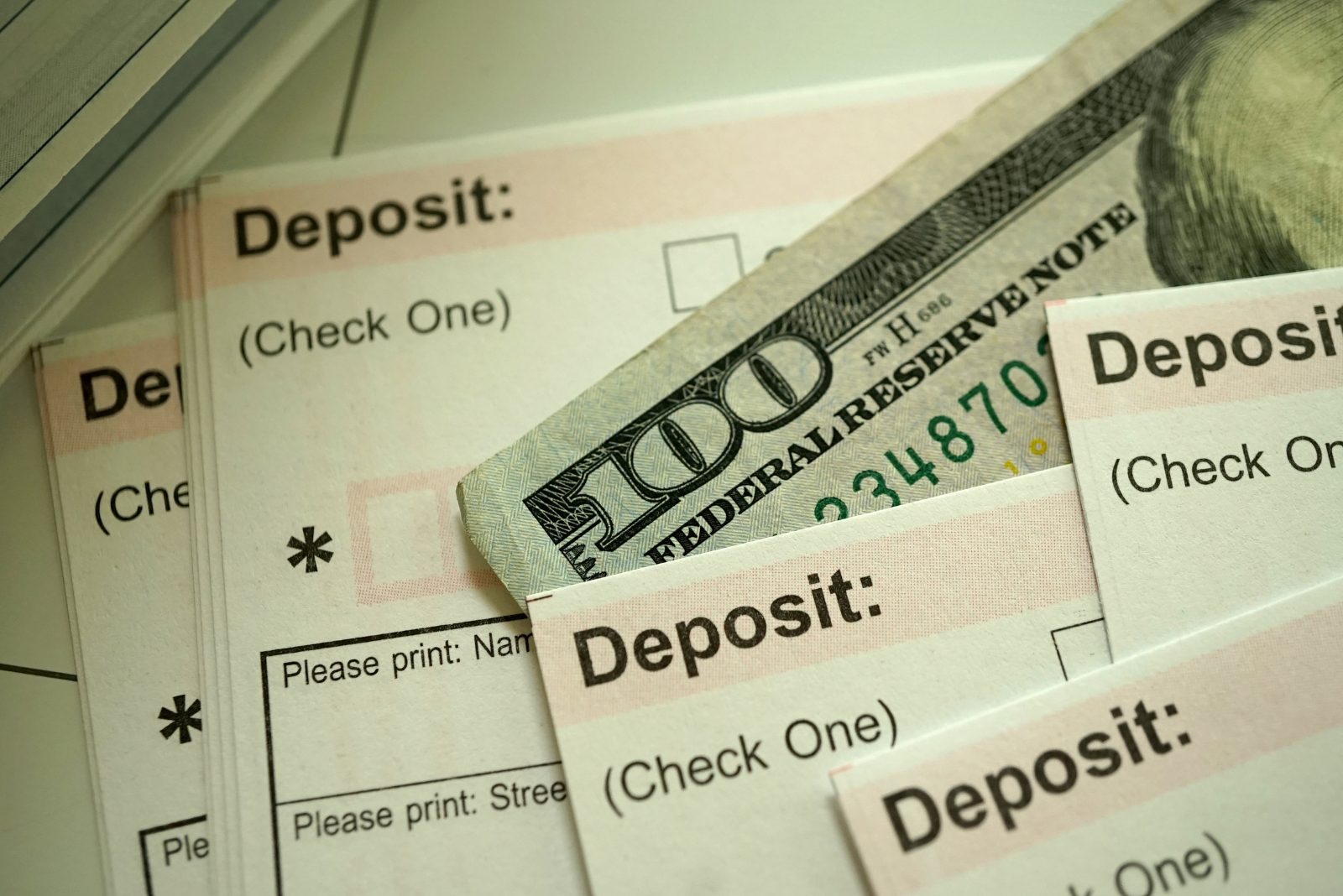
A damage deposit (or security deposit) is an upfront payment collected before or upon check-in to safeguard against potential property damage. In most cases, the amount equals one to two weeks’ rent.
The deposit is held by the property manager or platform and refunded after the guest checks out, provided there’s no damage or excessive cleaning required. Damage deposits are most common in short-term stays or smaller properties, where risks are minimal, and turnover is frequent. They’re easy to manage, straightforward to explain, and give both hosts and guests a clear understanding of accountability.
What Is Damage Protection Insurance?
Damage protection insurance provides financial coverage against unexpected incidents during a guest’s stay. It can include property damage, liability protection, and loss of rental income caused by accidents or negligence.
Unlike homeowner’s insurance, short-term rental insurance is designed for furnished and frequently occupied corporate properties. It covers scenarios that traditional policies often exclude—like guest-related damage or theft. This makes insurance ideal for high-value, fully furnished apartments and longer corporate stays, where the cost of repair or replacement could be high.

When to Use a Damage Deposit vs. Insurance
Choosing between a damage deposit and insurance depends on your property’s value, guest profile, and management setup. The table below summarises the differences.
| Criteria | Damage Deposit | Damage Protection Insurance |
| Stay Duration | 1–7 nights (short-term) | 1 week+ or corporate stays |
| Guest Type | Leisure travellers | Business, relocation, or family guests |
| Property Value | Standard apartments or small homes | High-value or luxury properties |
| Booking Channel | Direct, Airbnb, Booking.com | Managed via property managers or platforms |
| Host Control | Full control (manual collection) | Automated via third-party or PMS |
| Guest Experience | May feel strict or unwelcoming | Smooth, no upfront payment |
| Risk Level | Low to moderate | Higher property value or turnover |
| Admin Workload | Manual tracking and refunds | Low — claims handled by provider |
| Best For | Independent hosts | Professional property managers |
Example:
If you rent a studio in Sydney CBD to a single traveller for a weekend, a $300 deposit is practical. But if you manage multiple executive apartments in Melbourne for relocating professionals, insurance coverage saves time, improves conversion, and builds guest trust.
When to Use a Damage Deposit
A damage deposit works best for:
- Short or mid-term stays with limited occupancy.
- Guests from trusted companies or professional backgrounds.
- Low-risk, modern apartments that are easy to maintain.
Pros of Damage Deposit:
- Quick to set up and manage.
- Refundable—creates trust and fairness.
- Familiar to most guests.
Cons of Damage Deposit:
- Limited financial coverage.
- Requires manual refunds and inspections.
When to Use Rental Insurance
Rental insurance is the smarter choice for:
- High-end or multiple properties.
- Long-term corporate housing or executive relocations.
- Homes with premium furnishings or artwork.
Pros of Rental Insurance:
- Comprehensive coverage beyond the deposit.
- Peace of mind for both host and guest.
- Often required by corporate travel programs.
Cons of Rental Insurance:
- Ongoing premium costs.
- It may take time to process claims.
Combining Both for Maximum Protection
Many professional hosts use both damage deposits and insurance for layered protection.
For example, A Sydney host renting a luxury apartment for three months might collect a $1,000 refundable deposit to cover minor damage, while holding a rental insurance policy for major incidents like water leaks or furniture replacement.
This approach balances cost efficiency with peace of mind, ensuring both parties feel secure.
How to Explain Damage Deposit vs. Insurance to Guests
Transparency Builds Trust
The key to smooth guest relations is clear, confident communication. Use friendly, professional wording in your listing and booking emails.
Example phrases:
- “Your security deposit is fully refundable after the final inspection.”
- “Our insurance policy ensures both parties are protected in the rare event of accidental damage.”
Such clarity prevents misunderstandings and sets expectations from the start.
Avoid Sounding Distrustful
Guests are more comfortable when the policy feels standard and professional, not personal. Frame deposits or insurance as part of your property care policy, not as a sign of mistrust.
For example:
“As part of our executive accommodation standards, we include refundable deposits and optional damage coverage for your peace of mind.”
This tone keeps the interaction positive and respectful.
Communicate During Booking and Check-In
Mention deposit and insurance details early in the process, ideally in your rental agreement or welcome message. Provide guests with a simple FAQ or contact point if they have questions. For corporate housing, this transparency reinforces your reputation as a professional and trustworthy host.

How Property Managers Like L’Abode Simplify Damage Protection
For professional hosts and investors, outsourcing damage management can save hours of administrative work. L’Abode Accommodation streamlines the listing process, freeing up more time for you to manage deposits, inspections, and insurance. As a trusted name in executive and Airbnb leasing management, L’Abode Accommodation offers short-, mid-, and long-term property management services across Australia.
- End-to-end property management: From screening guests to post-stay inspections.
- Insurance integration: Access to premium partner coverage with easy claims.
- Transparent communication: Clear guest messaging to maintain trust and satisfaction.
- Listing optimisation: Ensuring your listing’s policies are presented clearly across booking platforms.
With L’Abode Accommodation, you gain a partner who ensures it’s protected, optimised, and performing at its best. L’Abode Accommodation helps property owners focus on what matters most – consistent income and guest satisfaction.
Choosing between a damage deposit and insurance depends on your property type, risk level, and management capacity. Deposits keep things simple and transparent, while insurance provides comprehensive coverage. For most property owners, combining both offers the best protection. Partnering with L’Abode Accommodation ensures your property is secure, your guests are well-informed, and your operations remain seamless from check-in to checkout.
Explore L’Abode’s offers or list your home here.
FAQs: Damage Deposit vs. Insurance
- Do guests prefer damage deposits or insurance?
Most guests prefer damage protection insurance because it avoids upfront credit card holds or refundable deposits. Insurance feels more convenient and professional, especially for corporate travellers who value smooth check-ins and no post-stay delays.
- What happens if damage occurs?
If accidental damage occurs, the process depends on your protection method.
- With a damage deposit, the host deducts the repair cost after inspection.
- With insurance, the host files a claim through the provider, which typically covers repair or replacement costs.
Professional property managers like L’Abode Accommodation handle these claims and inspections efficiently on your behalf.
- Can I use both a damage deposit and insurance?
Yes, many experienced hosts and property managers combine both for maximum protection. A small, refundable deposit covers minor incidents like stains or broken glassware, while insurance protects against larger or unexpected damage, offering peace of mind for both parties.
- Does insurance cover guest misconduct or intentional damage?
Usually not. Damage protection insurance is designed for accidental damage, such as spills or broken furniture. Intentional misconduct, theft, or rule violations typically fall outside standard policies and must be addressed through guest agreements or security deposits.
- Is it legal to charge deposits in Australia?
Yes. Collecting and holding security or damage deposits is legal in Australia, provided it’s clearly stated in the rental agreement and refunded within a reasonable time after checkout.