Australia’s holiday rental market continues to expand, with a projected compound annual growth rate of 3.7% between 2023 and 2030. As demand rises, rental arbitrage has emerged as a practical way to enter the short-term rental space without owning property. This guide breaks down how rental arbitrage works, the legal and operational issues to watch, the costs involved, and how to make the model more sustainable in Australia.
How Rental Arbitrage Works?
Rental arbitrage is a business model where you rent a property long-term and then rent it out to short-term guests for a higher price. You charge guests a higher nightly rate than your fixed monthly rent and expenses. The difference between what you earn from bookings and what you pay in rent, utilities, and management costs becomes your profit.
Success depends on consistent occupancy, strong pricing strategy, and delivering a quality guest experience that keeps reviews high and bookings steady.
The Rental Arbitrage Process
- Find a suitable property
Identify properties in high-demand locations such as CBD precincts, coastal areas, medical hubs, or suburbs near major attractions and business centres.. Look for layouts that suit short-term stays and have strong potential for consistent occupancy. In Australia, short-stay compliance sits on top of the lease, not instead of it, so local rules and lease terms both matter.
- Negotiate with the landlord
Be upfront about your intentions to run a short-term rental. Secure written approval and ensure the lease clearly allows subletting, so you avoid legal or contractual issues later on.
- Furnish and prepare the property
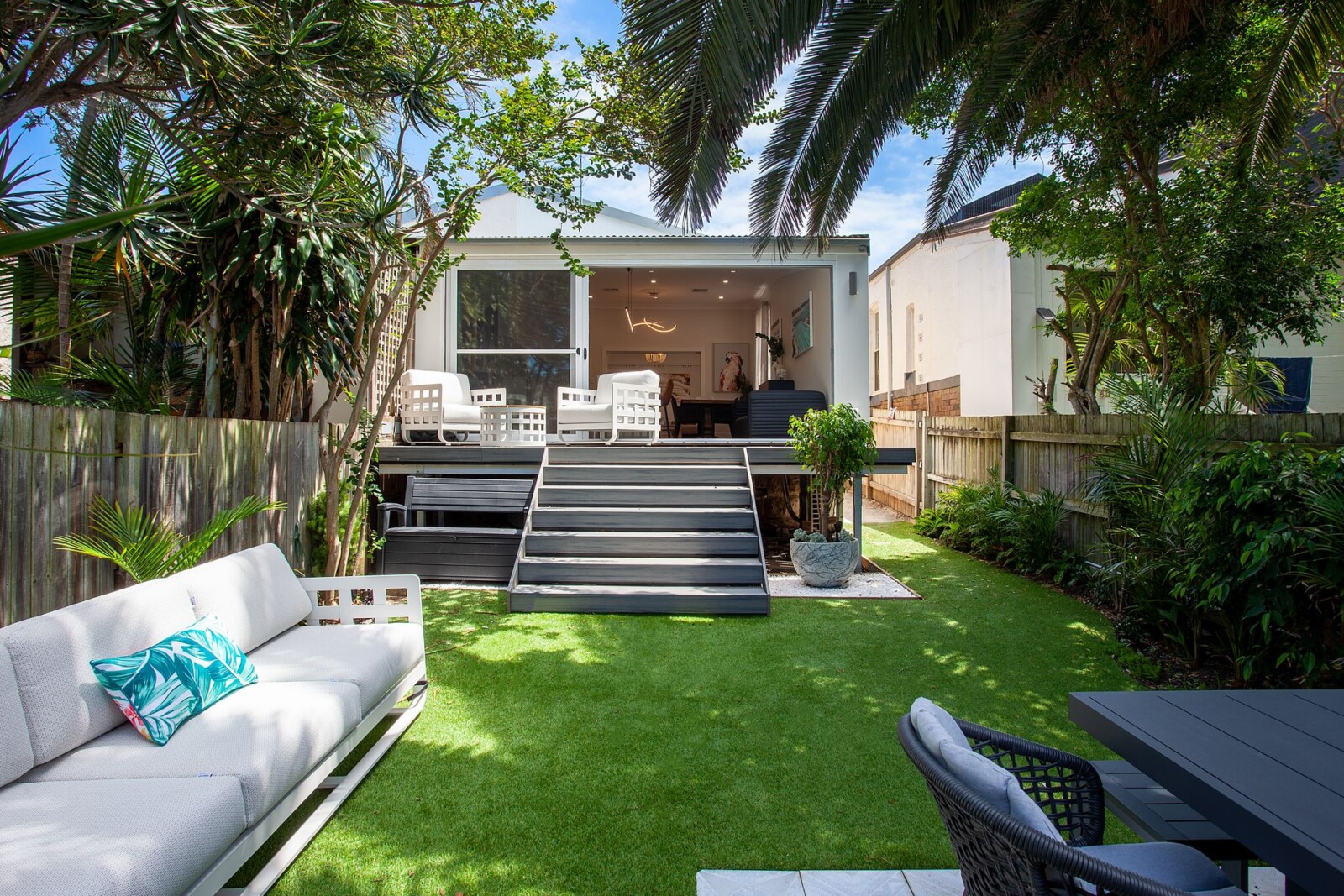
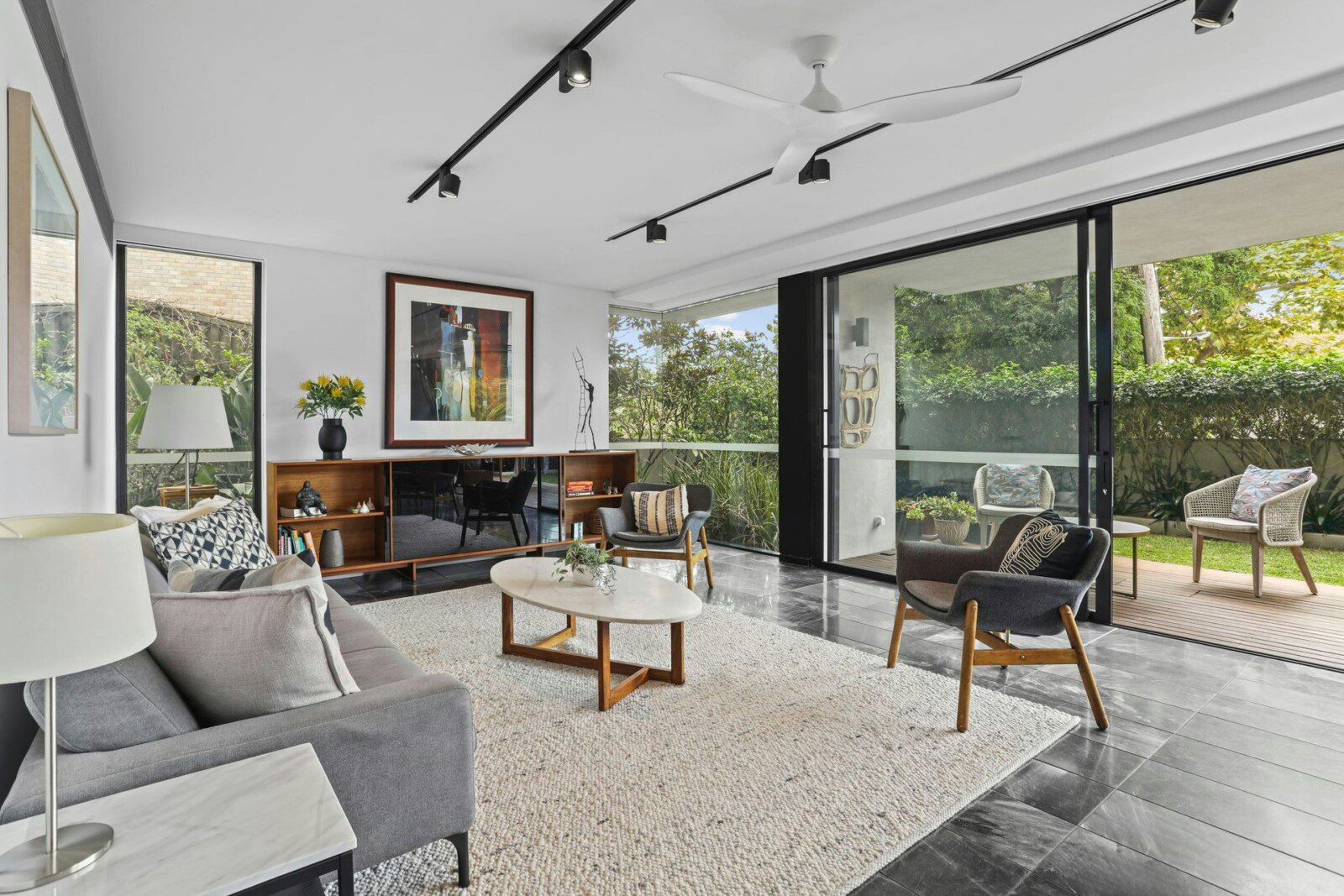
The space needs to be fully guest-ready, with functional furniture, kitchenware, linen, Wi-Fi and safety essentials. Focus on presentation to meet guest expectations and justify higher nightly rates.
- List the property on booking platforms
Build a listing that stands out through strong visuals and clear descriptions. L’Abode Accommodation highlights professional photography, advertising and broad platform exposure as part of its management support, which fits naturally into this step.
- Manage guests and operations
Handle enquiries, bookings, check-ins, cleaning, and issue resolution all need to happen quickly and reliably. . Delivering a smooth guest experience is key to securing positive reviews and repeat bookings.
- Generate profit from the price difference
Monitor your income and expenses closely. The goal is to maintain consistent bookings at rates that comfortably exceed your fixed costs, ensuring the model remains financially viable.
If you work with a professional property manager like L’Abode Acommodation, much of the heavy lifting across listing optimisation and day-to-day operations can be handled for you, allowing you to focus more on scaling the business rather than managing every detail yourself.
Is Rental Arbitrage Legal?
Rental arbitrage is generally legal in many parts of Australia, but it depends heavily on rules in each state.
In New South Wales (NSW), all STRA properties must be registered on the official register before being listed. Non-hosted short-term rentals are capped at 180 days per year in areas such as Greater Sydney, Ballina, and parts of Clarence Valley. Properties must also meet strict fire safety standards to remain compliant.
In Victoria (VIC), short-term rentals are not banned but are tightly regulated. From 1 January 2025, owners corporations have the authority to prohibit short stays within their developments. Hosts are legally responsible for guest behaviour, and if a property receives three breach notices within a 24-month period, Victorian Civil and Administrative Tribunal may impose a temporary ban on its use as a short-term rental.
In Queensland (QLD), proposed regulations under the Short Stay Accommodation Local Law 2025 aim to introduce stricter controls. Properties used for short stays, typically under 90 days would require a permit. In addition, operators must maintain valid public liability insurance for the entire duration of each booking.
Costs Involved in Rental Arbitrage
Rental arbitrage has a lower entry cost than purchasing an investment property, but it still requires meaningful upfront spend and ongoing operating cash flow.
- Monthly rent and security deposit: This is the main fixed cost. You need to pay rent every month and usually a deposit upfront before starting.
- Furniture and setup costs: You need to furnish the property with beds, sofas, kitchen items, and basic décor to make it suitable for guests.
- Utilities and bills: Costs such as electricity, water, internet, and sometimes gas are usually paid by the host.
- Cleaning and maintenance: Regular cleaning between guest stays and occasional repairs are necessary to keep the property in good condition.
Tips to Make Rental Arbitrage Profitable
Success in rental arbitrage comes down to more than just securing a property—it requires consistent optimisation across pricing, presentation, and operations. A well-managed setup can generate steady returns, while small inefficiencies can quickly reduce margins.
- Choose the right location: Focus on areas with strong and consistent demand, such as CBDs, coastal destinations, or suburbs near major attractions
- Create a high-quality listing: Invest in professional photography and write clear, engaging descriptions. A well-presented listing helps attract more bookings and allows you to position your property at a higher rate.
- Focus on guest experience: Prioritise comfort, cleanliness, and responsiveness. Positive reviews play a major role in visibility and trust, directly influencing future bookings.
- Use smart tools and booking platforms: Leverage dynamic pricing tools and multiple booking channels to maximise exposure. L’Abode Accommodation’s short-term management offering specifically highlights listing optimisation, guest communication, cleaning and maintenance support
Risks and Challenges of Rental Arbitrage
Unstable occupancy rates are one of the most common challenges in rental arbitrage. Demand can shift due to seasonality, location dynamics, or broader travel trends. During quieter periods, fewer bookings can quickly reduce your income, while fixed costs like rent and utilities still need to be covered.
Property damage liability is another key risk to consider. As the leaseholder, you remain responsible for any damage caused by guests. Even when listing on platforms such as Airbnb, compensation schemes may not fully cover repair or replacement costs, leaving you to absorb the difference.
Maximise Rental Arbitrage with L’Abode Accommodation
L’Abode Accommodation is recognised as one of Australia’s leading property leasing specialists, helping property owners and rental arbitrage operators balance profitability with peace of mind. Our approach covers every stage of the process, from marketing and guest communication through to maintenance and day-to-day operations.
L’Abode Accommodation also supports property upgrades and furnishing to meet executive standards, while ensuring tenants are carefully screened through trusted corporate networks. Listings are professionally optimised with high-quality photography and SEO-driven visibility. For owners, this translates into stronger returns, more stable cash flow, well-maintained properties, and reduced exposure to guest-related risks.
Learn more about L’Abode Accommodation’s services.
FAQs
1. What is rental arbitrage?
Rental arbitrage is a business model where you lease a property and earn income by re-letting it to short-term guests, provided the lease and local rules allow that use.
2. Is rental arbitrage legal in Australia?
It can be, but legality depends on written landlord approval, building rules and local short-term rental regulations. NSW and Victoria already have clear frameworks, while some Queensland proposals remain local and evolving.
3. Is Airbnb rental arbitrage passive income?
Not when self-managed. It involves guest communication, cleaning coordination, pricing management and compliance. It becomes more hands-off only when systems or professional managers are in place.
4. What are the main costs in holiday rental arbitrage?
The main costs are rent, bond, furnishing, utilities, cleaning, maintenance and platform or management costs.
5. What makes rental arbitrage profitable?
The model works best when the property is in the right location, the lease is structured properly, occupancy stays healthy, and operations are managed tightly enough to protect reviews and margin.