

Melbourne is one of Australia’s busiest short-term rental markets, attracting visitors year-round. With the right property in the right location, it’s possible to generate excellent returns, but success depends on understanding key trends, pricing strategies, and regulations. This updated guide helps you navigate Melbourne’s rental market in 2026, covering everything from profitability and best locations to the 7.5% short-stay levy and tips for maximising revenue.
Key takeaways
- Melbourne’s short-term rental market rewards well-located and well-presented properties, especially in areas close to events, dining and transport.
- Expect mid-to-high occupancy rates and nightly rates between $200–$300 for well-positioned properties, with event-driven peaks.
- The 7.5% short stay levy now applies to all bookings for stays under 28 days in Victoria.
- Strata rules and owners’ corporations can impact your ability to host, with penalties for non-compliance.
- Use pricing and presentation strategies to boost your property’s profitability.
Market Snapshot: Demand, Occupancy, and Nightly Rates (What to Expect in 2026)
Melbourne’s short-term rental market continues to show strong demand, especially in areas close to major events. Here’s what you can expect in 2026:
- Occupancy Rates: Expect mid-50% to 70%+ occupancy, depending on your property’s location and quality. Inner-city areas with event access typically perform better.
- Average Daily Rates (ADR): For well-located properties, nightly rates range from $200 to $300+, with premium homes and event-adjacent listings charging higher.
- Event Demand: Melbourne’s events calendar, including the Australian Open, Formula 1, and AFL, creates significant spikes in rental demand.
Is Short-Term Renting in Melbourne Profitable?
Short-term renting in Melbourne can be profitable, especially for well-positioned, high-quality homes. However, profitability depends on several factors:
Location
Properties in central Melbourne, near popular event venues, or with easy access to transport tend to perform best. Melbourne’s CBD and nearby areas like Southbank and Carlton attract $120 to $250 per night. Properties near key attractions like MCG and St Kilda also command premium rates. On the other hand, rental properties in the outer suburbs offer more affordable rates.
Seasonality
Event-driven periods (such as during festivals or sporting events) offer significant opportunities for higher rates. As thousands of visitors flock to Melbourne, the demand for short-term rentals is through the roof. The city receives many visitors during the Australian Open and the Formula 1 Australian Grand Prix. The surge in housing demand has seen property owners adjust nightly rates by up to 50%.
Presentation
Homes that feature high-quality reviews, thoughtful design, and essential amenities tend to attract higher-paying guests. Positive guest feedback, combined with stylish interiors and key offerings like comfortable sleeping arrangements, reliable Wi-Fi, and well-equipped kitchens, creates a compelling experience that justifies a premium price.
Occupancy trends
Over the years, Melbourne’s short-term rental market has shown resilience. Despite the rising number of properties, demand is ever-increasing. Quality properties, especially those in high-demand areas, benefit the most.
Where to Host: Melbourne Areas That Perform Best
Certain areas in Melbourne are especially popular with short-term renters. These neighborhoods typically offer the best returns:
- CBD & West Melbourne: Corporate travelers, universities, and close proximity to major attractions.
- Southbank & Docklands: Waterfront properties, major venues, and tourist spots.
- Richmond & East Melbourne: Sports fans, event attendees, and easy access to central Melbourne.
- St Kilda & Port Melbourne: Popular for leisure travelers and summer bookings.
If your property is near any of these areas, you’re more likely to see higher occupancy and better rates.
What Guests Expect: Property Types and High-Impact Amenities
To stand out and maximize bookings, your property needs to meet guest expectations. Here’s what guests look for:
Property Types That Perform Best
- One and Two-Bedroom Apartments: Two-bedroom homes are among the most common listings in Melbourne. These offer a good balance of price and space, making them attractive to couples, business travelers, and small families.
- Family Homes: Larger properties (2–4 bedrooms) tend to perform well, especially when they offer features like parking or outdoor spaces.
- Premium Properties: Homes that offer a unique design or additional comforts often perform better and command higher nightly rates.
High-Impact Amenities
- Reliable Wi-Fi: Especially important for business travelers and remote workers.
- Hotel-Grade Bedding: Comfort is a priority—investing in quality linens and mattresses will pay off in reviews.
- Climate Control: Melbourne’s weather can be unpredictable, so efficient heating and cooling are essential.
- Easy Self-Check-In: Smart locks or lockboxes make check-in hassle-free for guests.
- Noise Control: Soundproofing, especially in busy or party-prone areas, helps avoid guest complaints.
Melbourne Short-Stay Rules for 2026 (What’s Changed and What to Watch)
Understanding the regulations around short-term rentals is crucial to ensure compliance and avoid penalties.
The 7.5% Short Stay Levy
From 1 January 2025, a 7.5% short-stay levy applies to short stays in Victoria for bookings under 28 days. The levy is collected via platforms like Airbnb and is applied to the total booking fee (including cleaning fees and GST). Properties that are the principal place of residence of the host are exempt from this levy.
Owners Corporation Powers
Owners’ corporations can now ban short-stay accommodation in buildings (effective from 1 January 2025) via special resolution. However, these rules do not apply to properties used as the principal place of residence. Always check your building’s owners’ corporation rules before listing. If you are operating a short-term rental for less than 90 consecutive days, you are not required to have a permit.
Penalties for Unruly Parties
If a short-stay property creates a significant disturbance, the Victorian Civil and Administrative Tribunal (VCAT) can impose fines of up to $1,100 and award compensation of up to $2,000. In some cases, short-stay use may even be prohibited for a period.
Tax and Record-Keeping Essentials
Rental Income and GST
You must declare rental income to the Australian Taxation Office (ATO). If you earn more than $75,000 annually, you may need to register for GST. For most short-term rentals, GST is not applicable on the rental portion but could apply to other services (like cleaning).
Keep Accurate Records
Track all income and expenses related to your short-term rental business. You can claim deductions on operating costs like utilities, cleaning, and maintenance. Keep detailed records of these expenses for tax purposes.
Costs & Expenses: What to Budget For
Running a short-term rental comes with ongoing expenses. Here’s a breakdown:
| Category | Typical Expenses to Budget For |
|---|---|
| Setup & Launch | Furniture, appliances, photography, smart lock, styling |
| Operating Costs | Cleaning, laundry, utilities, consumables, maintenance |
| Compliance & Risk | Short-term rental insurance, levy administration, strata fees |
| Platform Fees | Airbnb/Booking.com fees, payment processing |
| Guest Experience | Welcome amenities, reviews, and minor upgrades |
Pricing and Revenue Strategies That Work in Melbourne
Price for Events
During major events, rates can significantly increase. Use event calendars to set higher rates during peak periods like the Australian Open or Formula 1. However, always balance price hikes with value—overpricing can result in poor reviews.
Minimum Stays
Strategic minimum stays can help optimize your booking calendar:
- 2-night minimums for weekends
- 3–5-night minimums during peak event periods
- Weekly discounts for longer stays
Optimise for Corporate Stays
Adding features like a dedicated workspace and offering flexible check-in/check-out can help capture midweek bookings from business travelers or relocators.
If Short-Stay Isn’t Right: Smarter Alternatives
If your building doesn’t allow short stays or if the market isn’t favorable, consider these alternatives:
Mid-Term Letting (1–6 Months)
Mid-term rentals offer stability with fewer turnover costs. Ideal for professionals, students, and business travelers on longer assignments.
Long-Term Letting (6+ Months)
Long-term leases provide consistent income with less day-to-day management. This is perfect for owners looking for more passive income.
Flexi-Letting
This hybrid model lets you switch between short-term, mid-term, and long-term leases based on the market and seasonality.
Self-Management vs Professional Management
Self-Management
Self-managing your property gives you full control over pricing, guest communication, and cleaning. However, it can be time-consuming, especially if you have multiple properties or a full-time job.
Professional Management
Professional property management services handle pricing, guest communications, cleaning, and compliance. This allows you to earn passive income without the headaches of day-to-day management. Services like L’Abode Accommodation offer a comprehensive solution.
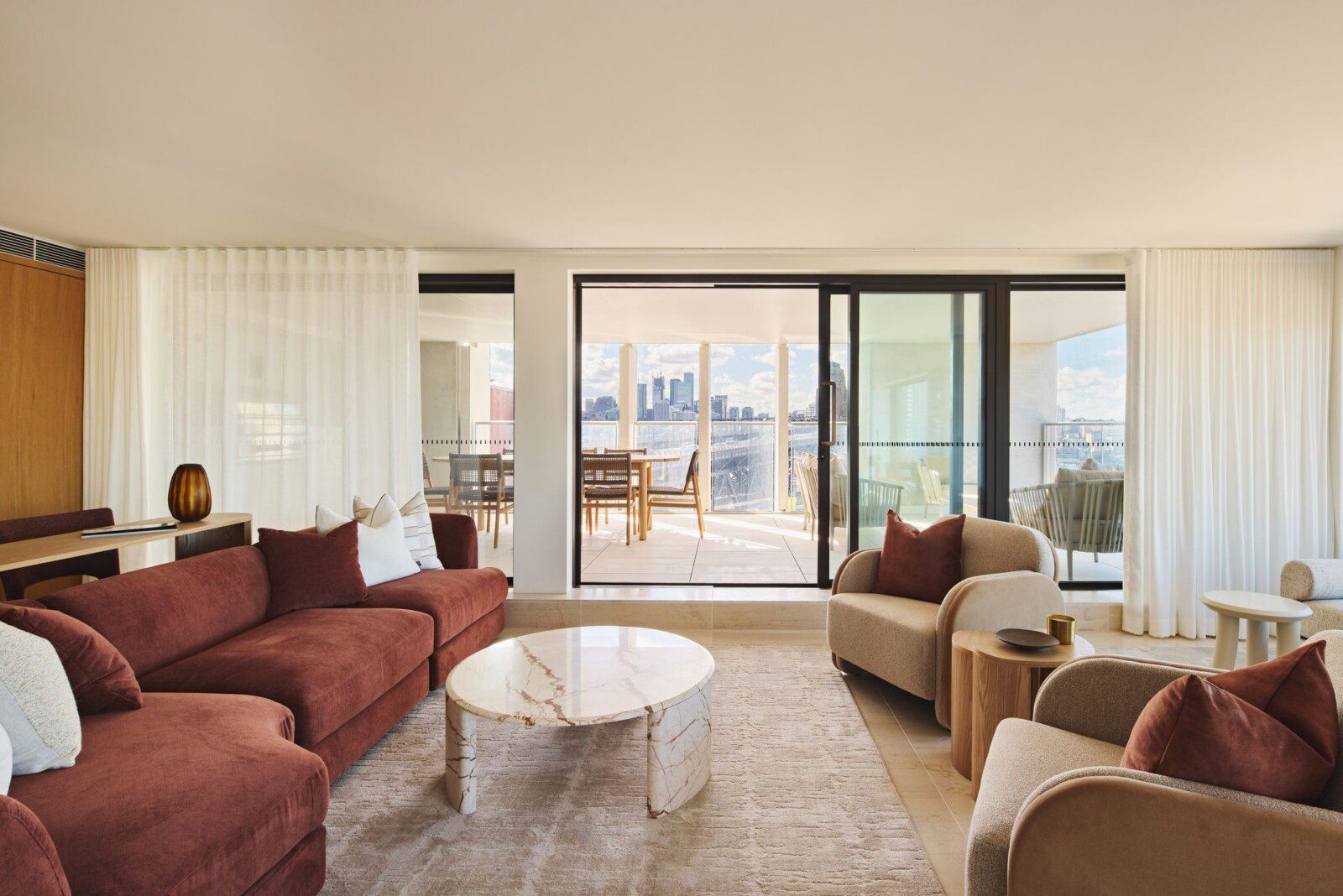
Melbourne’s short-term rental market offers significant opportunities for homeowners, but it’s essential to stay compliant and optimise your property’s presentation and pricing. By understanding the latest rules, managing your costs, and choosing the right management strategy, you can maximize your returns in 2026 and beyond.
Regardless of your choice, always pick a professional management body to streamline these operations. L’Abode Airbnb Management in Melbourne offers a complete property management solution if you want income without the hassle. This allows you to enjoy passive earnings while professionals handle the details.
FAQs about Melbourne’s Short-Term Rental Market 2026
1) What is the 7.5% short stay levy in Victoria?
It’s a 7.5% levy on the total booking fee for eligible short stays (generally under 28 days) in Victoria, applying from 1 January 2025.
2) Does the levy apply if I rent out my principal place of residence?
Common exclusions include short stays in a property that is the principal place of residence of the owner or renter.
3) Can my apartment’s owners corporation ban Airbnb-style short stays?
Yes. From 1 January 2025, owners corporations can make rules to ban short stay accommodation in the building (with protections for principal-place-of-residence situations).
4) What are the penalties for unruly parties in short-stay apartments?
Consumer Affairs Victoria notes VCAT can issue fines up to $1,100, compensation up to $2,000, and in some cases restrict short-stay use after repeated breach notices.
5) Is Melbourne still a good short-term rental market in 2026?
For the right property, yes—Melbourne continues to benefit from major events and visitor demand, though costs and regulation changes mean the gap between “average” and “top-tier” listings is wider than ever.